

A great lawn doesn't happen by accident. It takes the right products applied at the right time — and in the UK, where spring arrives quickly and growth can outpace maintenance, getting ahead of the season makes a real difference. Whether you are starting from scratch, repairing bare patches, or simply refreshing a tired lawn, this guide covers everything you need to achieve a lawn you are proud of in 2026.
We have put together a practical, step-by-step approach using products available right here at Home Hardware Direct — from grass seed and lawn feed to aeration tools, weed control, and spreaders. Follow the steps in order and you will see results within weeks.
Is Your Lawn Struggling? Diagnose the Problem First
Knowing what you are dealing with before you buy anything saves money and gets better results. Different lawn problems have different causes — and throwing fertiliser at a compaction problem or seeding over active moss will not work. Here is how to read what your lawn is telling you.
Bare and thin patches
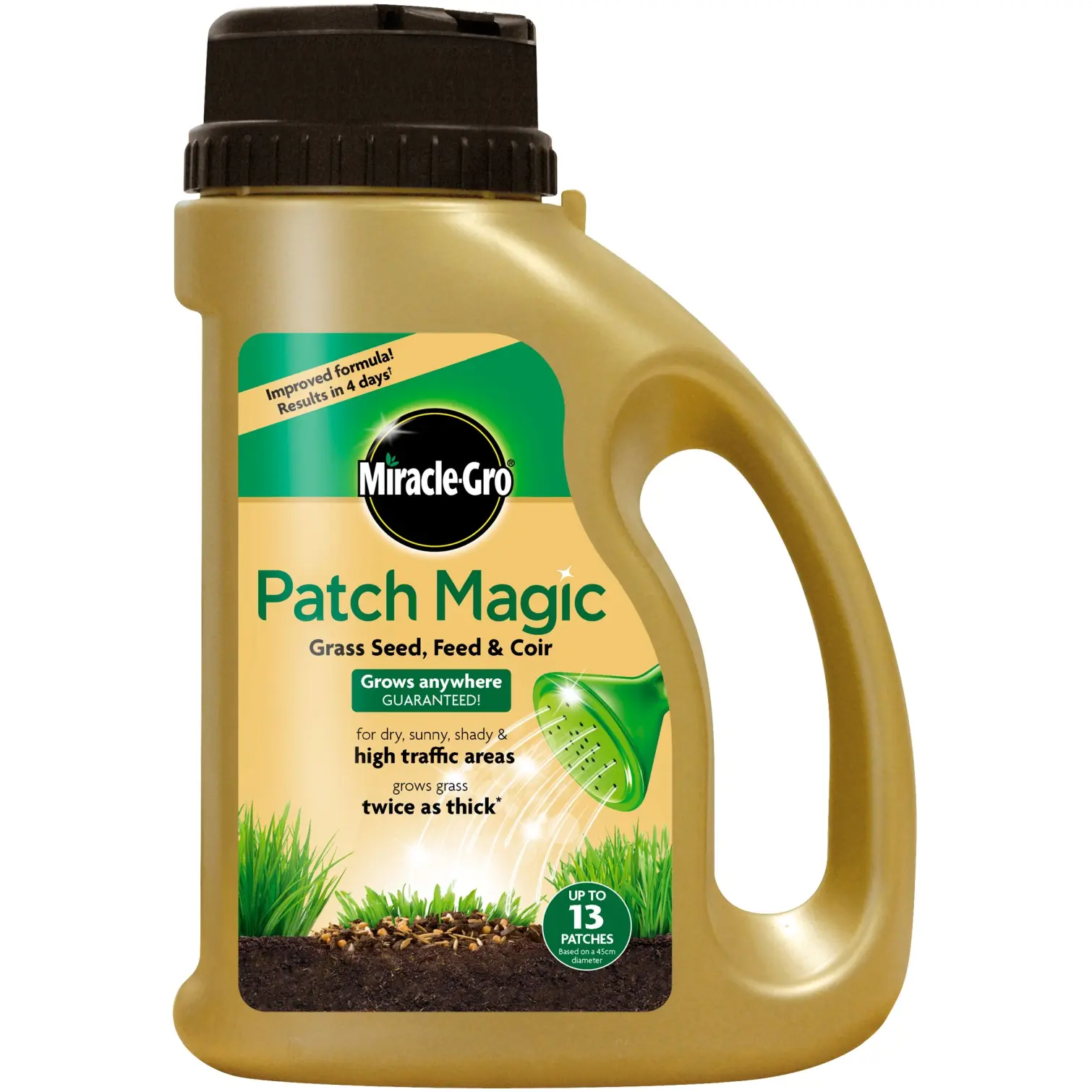
Bare patches are usually caused by heavy footfall, drought, or a bout of disease. They respond well to overseeding once you have lightly scarified the patch and raked it level. Miracle-Gro Patch Magic is the most straightforward fix — seed, feed, and coir in one application. For larger areas, a general-purpose grass seed applied with a spreader is more cost-effective.
Yellow or dull-looking grass
Yellowing is typically a nitrogen deficiency — the grass is not getting enough nutrients to produce chlorophyll. A spring feed applied in April or May will restore colour within two to three weeks. If the yellowing is patchy and follows an unusual shape, check for compaction or waterlogging first: no amount of fertiliser will help if water and air cannot reach the roots.
Moss spreading across the lawn
Moss is a symptom, not the cause. It takes hold in lawns that are shaded, poorly drained, compacted, or acidic. Killing the moss with a mosskiller is step one, but unless you address the underlying condition — usually compaction — it will be back within a season. Aerate after treatment and overseed the affected areas with a shade-tolerant seed if the area gets limited sun.
Weeds crowding out grass
A weed-dominated lawn usually means the grass is thin and weakened, giving weeds the space to establish. Selective lawn weedkiller targets broadleaf weeds without harming grass. Apply when weeds are growing actively in spring — not when they are dormant or in a drought — and follow up with overseeding to fill the gaps the weeds leave behind.
Step 1: Aerate and Scarify — Give Your Lawn Room to Breathe
Compacted soil and a build-up of thatch are the most common reasons a lawn fails to respond to feeding and seeding. Aerating breaks up compaction so air, water, and nutrients can reach the roots. Scarifying removes the layer of dead organic matter that prevents new growth from taking hold.
Start here in early spring before applying any feed or seed.
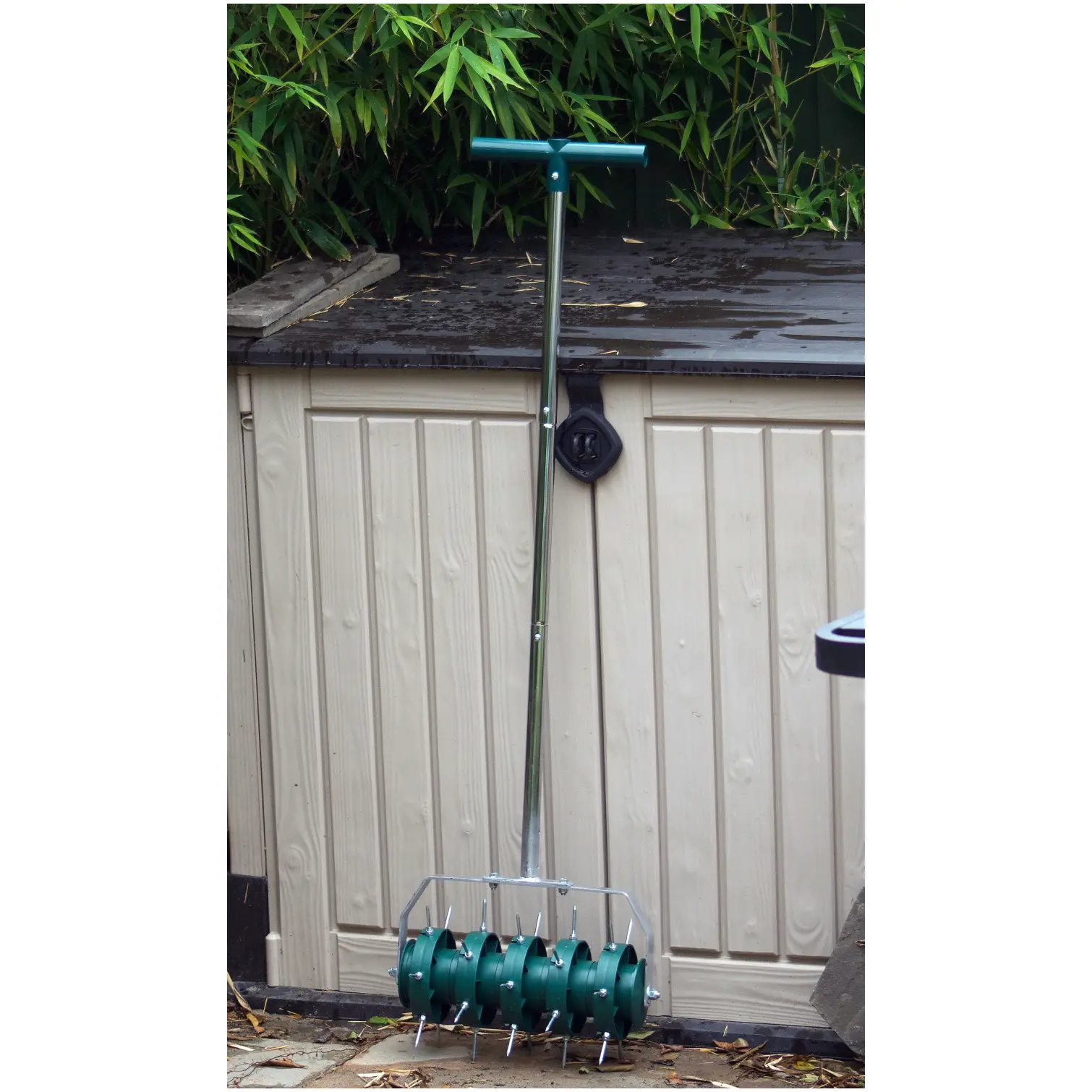
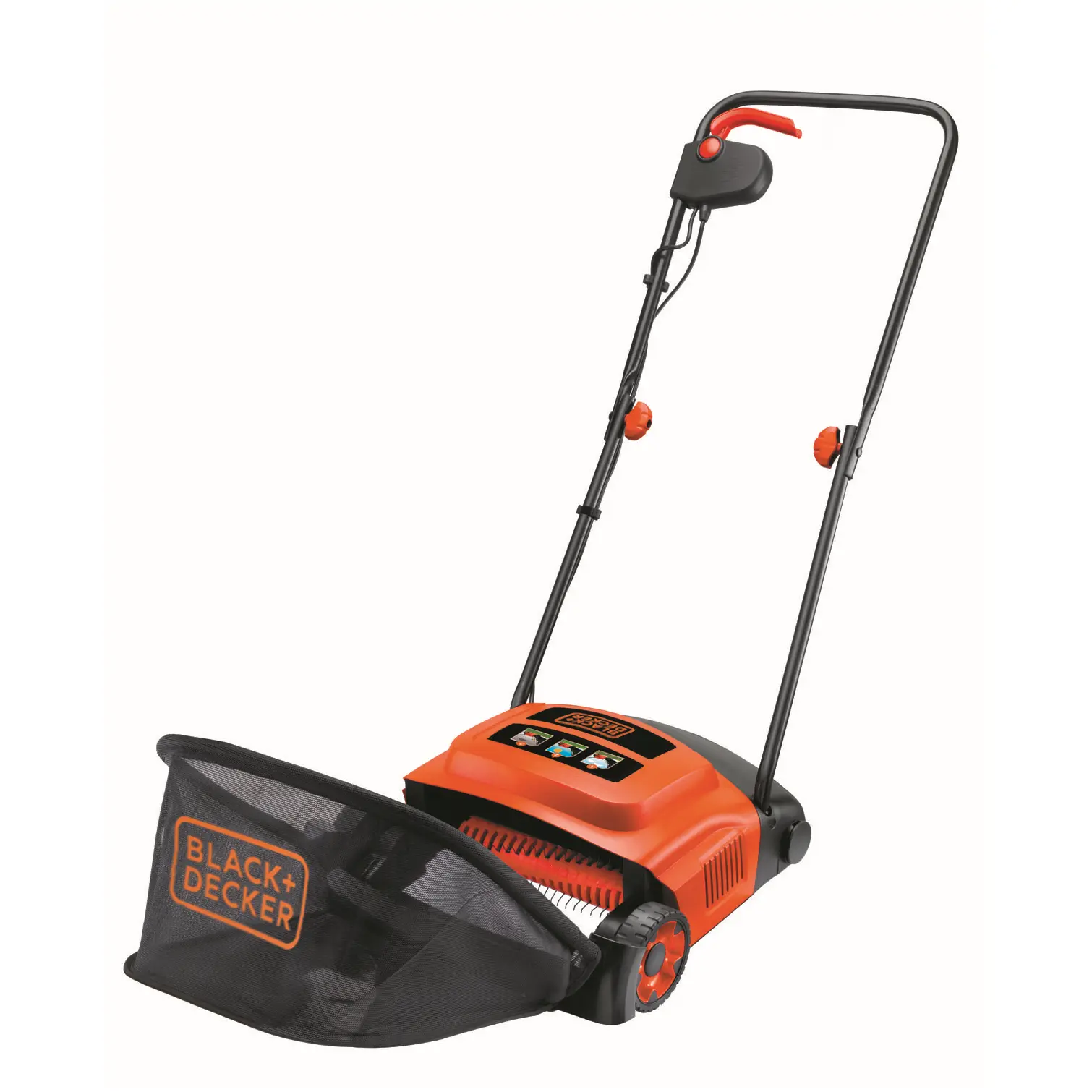
Tip: Aerate when the soil is moist but not waterlogged. In the UK, mid-March to mid-April is the ideal window. After scarifying, rake up the debris before moving on to seeding or feeding.
Step 2: Tackle Weeds and Moss Before They Spread
Dealing with weeds and moss before you seed or feed means your lawn treatment actually reaches the grass — not the competition. Broadleaf weeds and moss are both common in UK lawns thanks to our wet winters.
For selective weed control on established lawns, a lawn-safe weedkiller is the right tool. For moss combined with light feeding, a combined mosskiller and lawn feed does both jobs in one application.


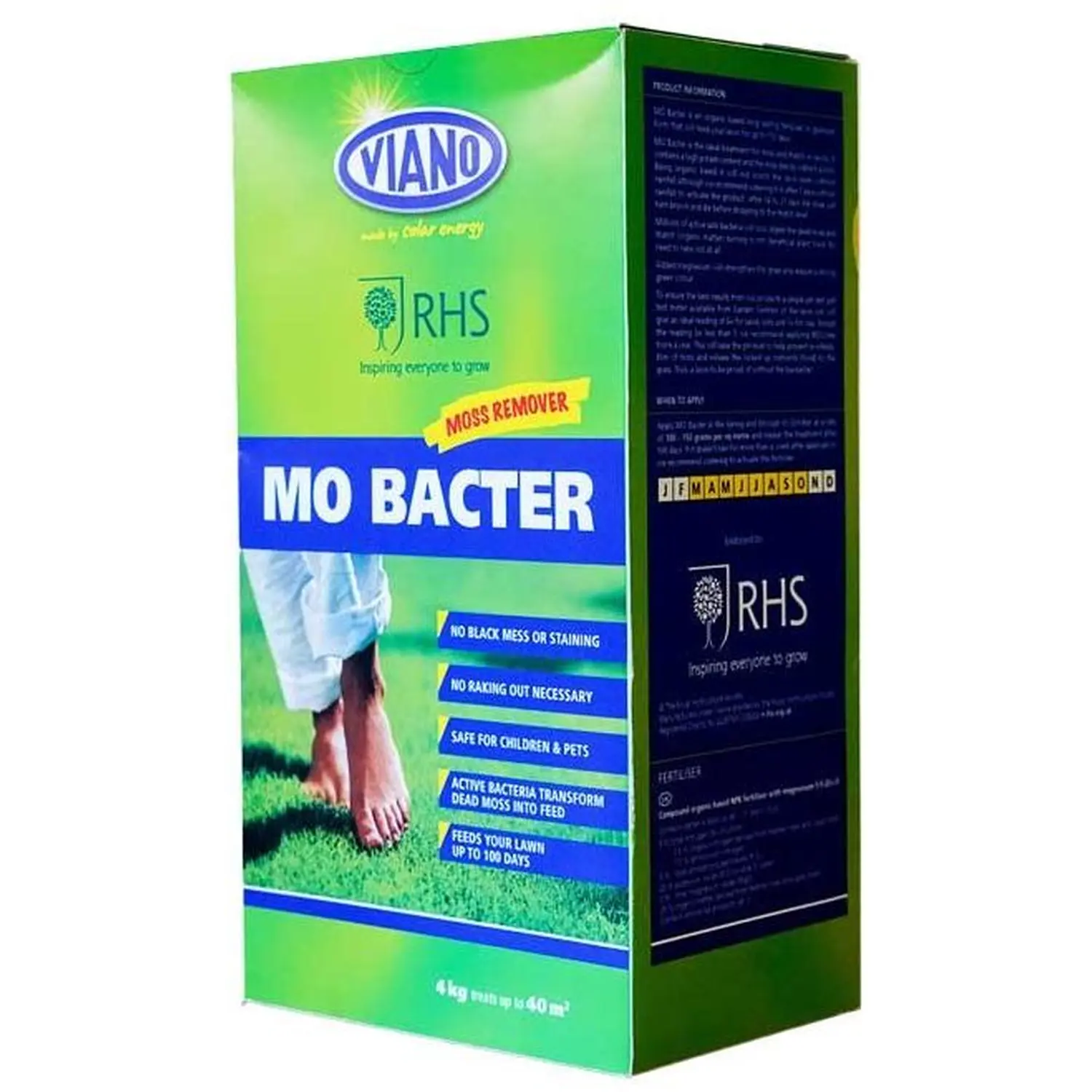
Tip: Apply weedkiller on a dry, calm day when rain is not forecast for 24 hours. Allow 2–3 weeks for weeds to die back fully before overseeding treated areas.
Browse all lawn weed killers →
Step 3: Choose the Right Grass Seed
Not all grass seed is the same. The variety you choose should match how your lawn is used and where it sits in your garden. A fast-germinating seed is ideal for quick repairs; a hard-wearing blend suits gardens with children and pets; a fine mix is better for a neat, formal finish.
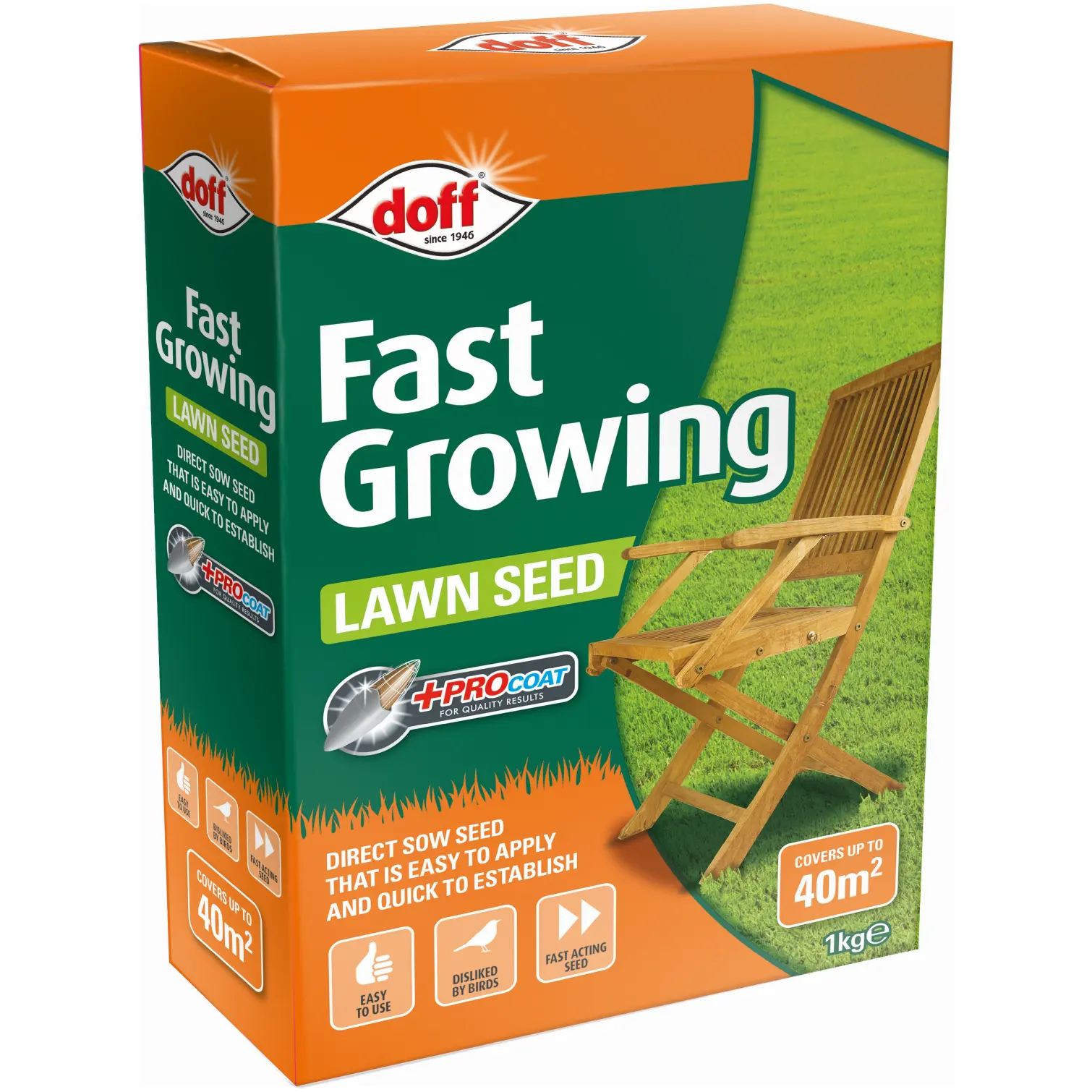
- Bare patches and quick repairs — reach for a fast-germinating seed that establishes within 7–10 days.
- High-traffic lawns — a hard-wearing blend holds up to regular footfall and recovers quickly.
- Overseeding a tired lawn — a general-purpose or multi-purpose seed thickens existing turf without disrupting it.
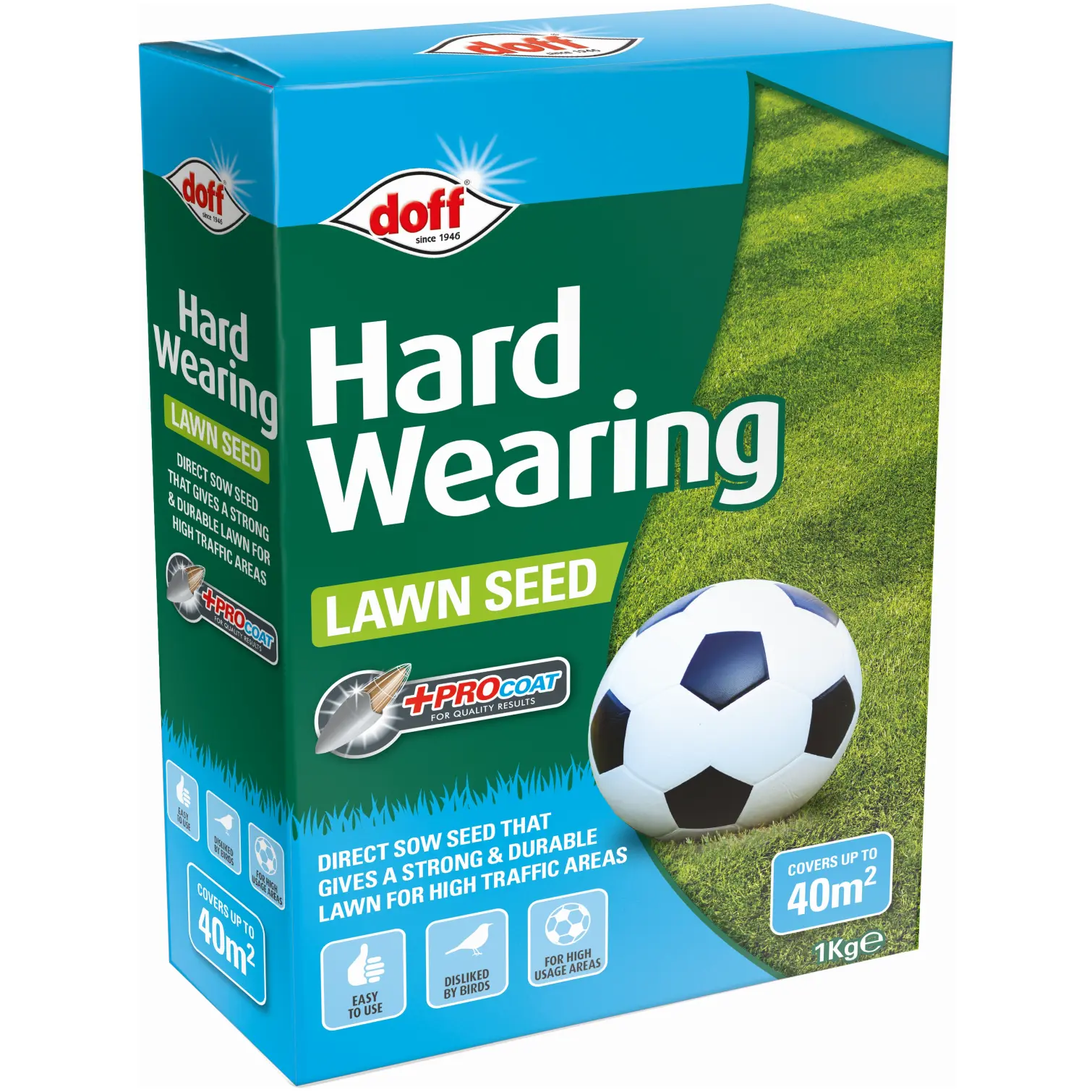
Tip: Sow grass seed when soil temperature is consistently above 8°C — typically April through September in most of the UK. Water gently but regularly after sowing and avoid walking on the area for at least three weeks.
Step 4: Feed Your Lawn
A well-fed lawn is thicker, greener, and more resistant to weeds, drought, and disease. Spring feeding encourages strong growth after winter; summer feeding maintains colour and density; autumn feeding builds root strength ahead of the cold.
Granular feeds are the most practical for most homeowners — apply with a spreader for even coverage and water in if rain is not forecast within 48 hours.


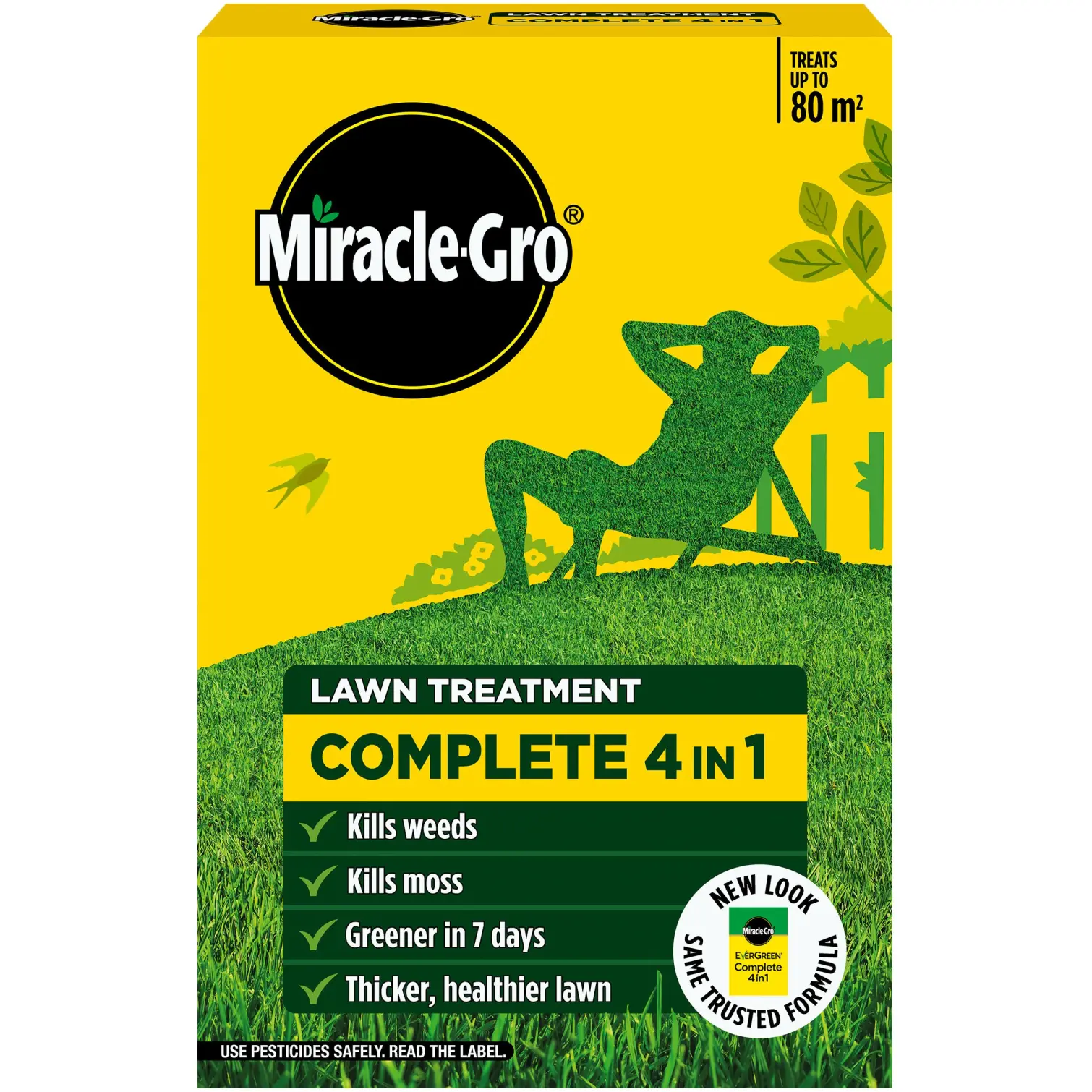
Tip: Miracle-Gro Evergreen Complete 4in1 feeds the lawn, kills weeds, and controls moss in a single application — a good choice if you want to simplify your spring routine and cover all bases at once.
Step 5: Apply Evenly With the Right Tools
Uneven application of seed or feed leads to patchy results — stripes of lush growth next to thin or burnt areas. A drop spreader removes the guesswork and ensures consistent coverage across your whole lawn.
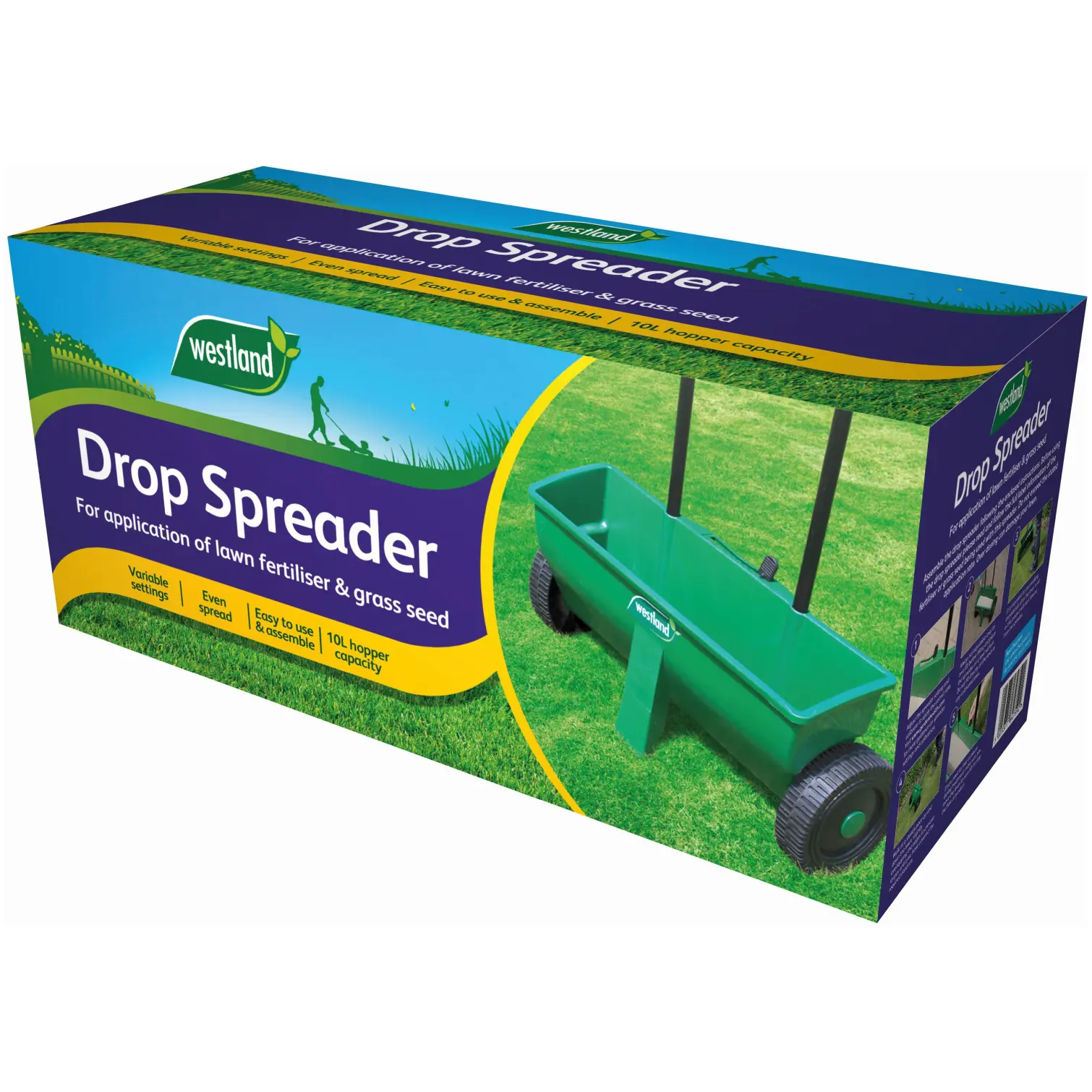
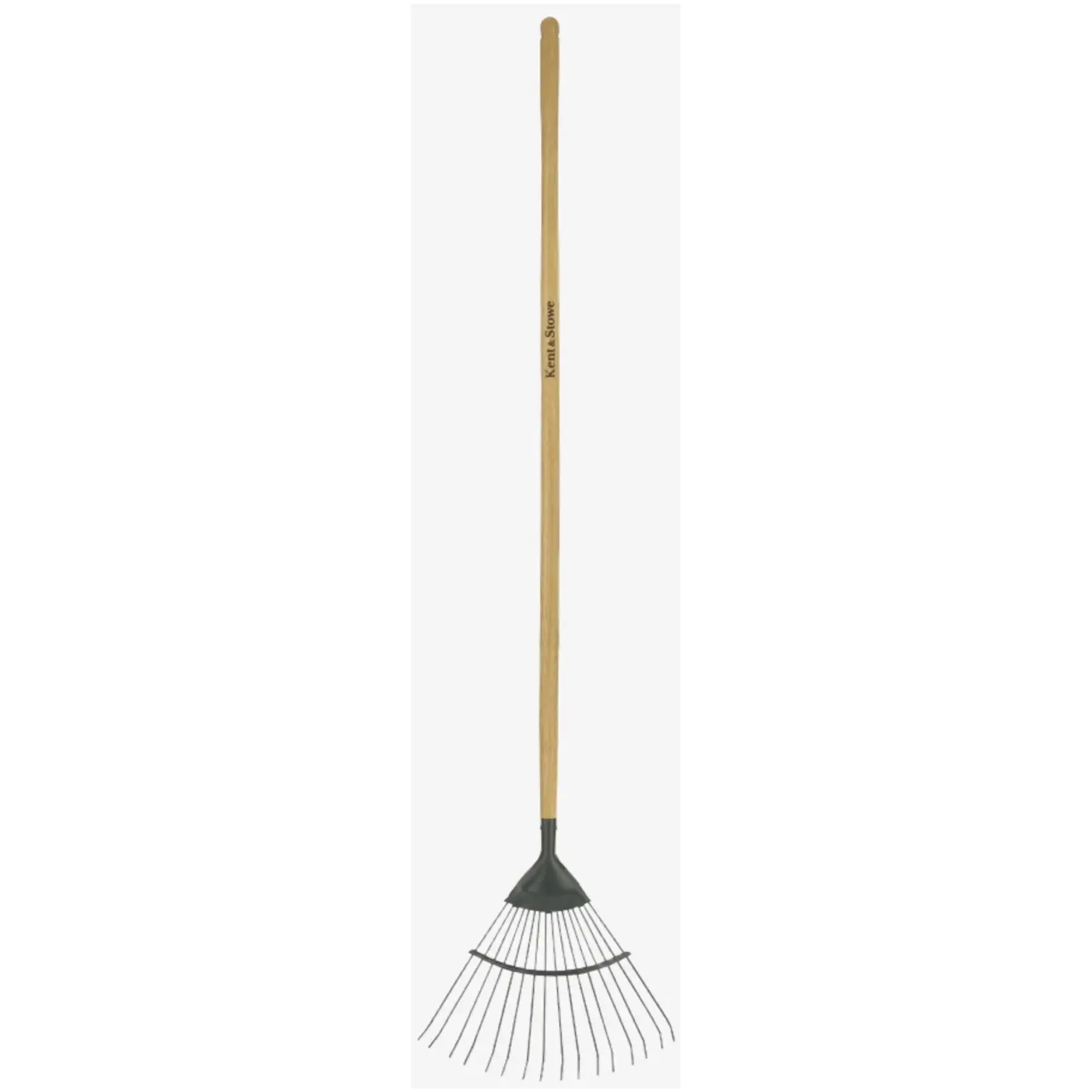
Tip: After spreading seed, rake it lightly into the surface so it makes contact with the soil. This significantly improves germination rates compared to leaving seed sitting on top of existing grass.
Browse aerators, spreaders and electric rakes →
A Simple Lawn Calendar for 2026
| Month | Task | Products to use |
|---|---|---|
| March–April | Aerate and scarify | GreenKey Aerator, B+D Lawn Raker |
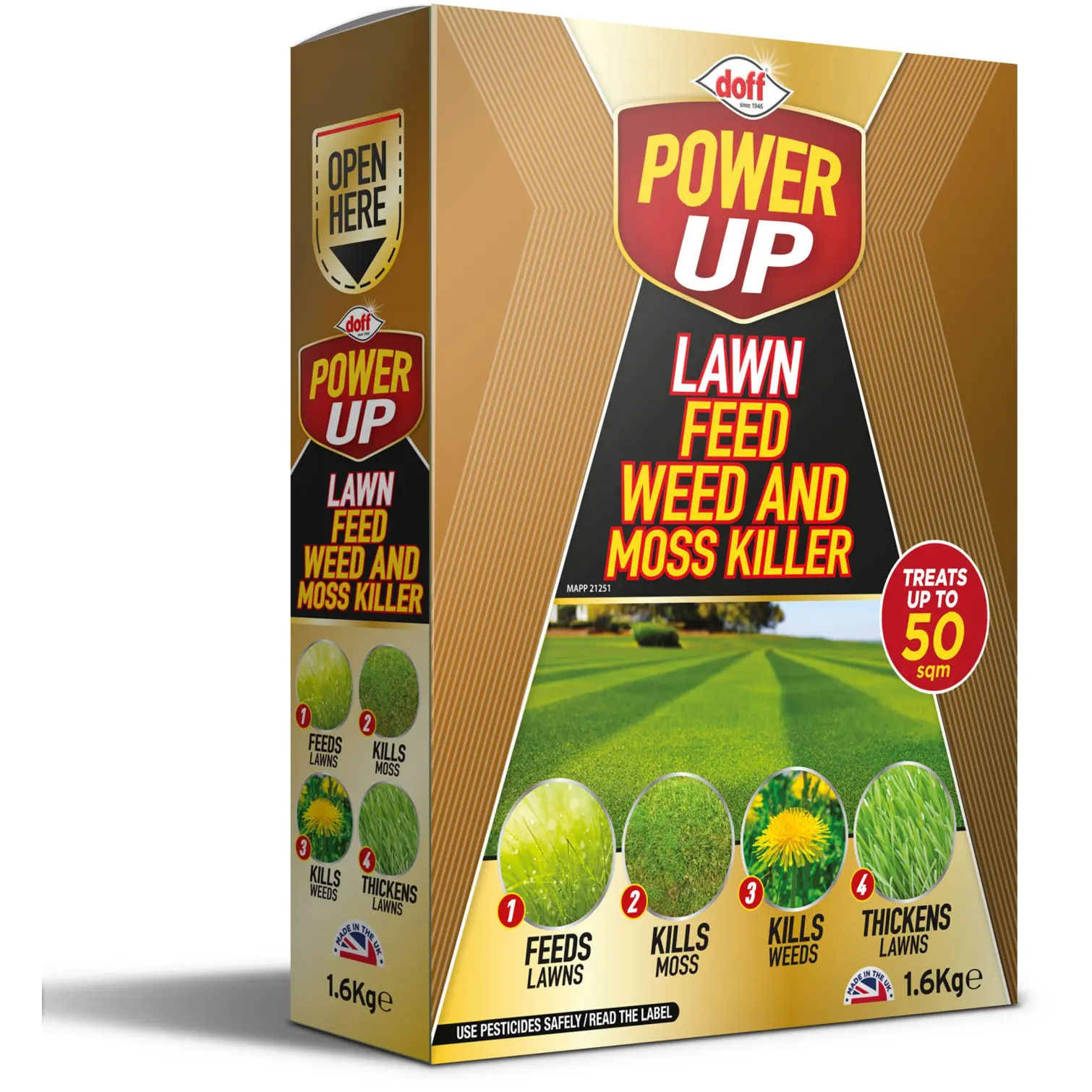
| April | Weed and moss control | Doff Feed Weed & Mosskiller, Weedol Gun |
| April–May | Overseed and repair patches | Doff Fast Growing Seed, Patch Magic |
| May–June | Spring feed | Miracle-Gro Lawn Food, Evergreen 4in1 |
| July–August | Summer feed and spot weed | Miracle-Gro Lawn Food, Weedol Lawn Weedkiller |
| September | Autumn overseed and feed | Doff Hard Wearing Seed, Westland Lawn Sand |
| October | Final scarify and moss control | MO Bacter Mosskiller, Kent & Stowe Lawn Rake |
Common Lawn Care Mistakes to Avoid in 2026
Getting the products right is only half the job. How you apply them — and when — determines whether you see results or waste a season.
Cutting the grass too short
Scalping the lawn — cutting below 2.5cm — weakens the root system, opens the door to weeds, and leaves the lawn vulnerable during dry spells. Set your mower to its highest setting for the first two cuts of the season, then lower it gradually. Never remove more than a third of the blade length in a single cut.
Feeding before the soil is warm enough
Spring fertiliser applied before soil temperature reaches 8°C sits on the surface without being taken up — it either washes away or causes surface burn. In most of the UK this means waiting until mid-April before your first feed. The lawn calendar above gives you the right timing for each task.
Overwatering in spring
UK lawns rarely need irrigation in spring — rainfall does the job. Overwatering encourages shallow root systems, moss, and fungal disease. In summer, a deep watering twice a week is far better than a light daily sprinkle. Read our full summer lawn watering guide for more detail.
Seeding without preparing the surface first
Grass seed broadcast onto compacted or mossy ground has a very low germination rate — most of it never reaches the soil. Scarify and aerate first, then rake the seed in lightly so it makes contact with the surface. This single step can double germination success.
Skipping the autumn treatment
Many homeowners stop lawn care in August and wonder why their lawn struggles the following spring. An autumn scarify, a top-dress with lawn sand, and a mosskiller application in September or October sets the lawn up for a much stronger start the following year. See our end of season guide for the full autumn checklist.
Frequently Asked Questions
When should I start lawn care in the UK?
Early March is when most gardens begin showing new growth, but do not rush into feeding or seeding. Wait until soil temperature is consistently above 8°C — typically mid-March to early April across most of the UK. Start with aeration and scarifying, then move on to weed control, seeding, and feeding in that order.
How long does grass seed take to germinate?
Fast-growing varieties like Doff Fast Growing Grass Seed typically germinate in 7–14 days under good conditions. Hard-wearing blends can take up to 21 days. Soil temperature, moisture, and light all affect speed. Keep the seeded area moist and avoid walking on it for at least three weeks after sowing.
Should I use a spring feed or a 4-in-1 product?
If your lawn has no weed or moss problems, a dedicated spring feed like Miracle-Gro Lawn Food gives the best growth response. If you are dealing with a combination of weeds, moss, and thin grass, a 4-in-1 product like Miracle-Gro Evergreen Complete handles all of it in a single application — more convenient and often better value for a typical UK lawn.
How do I get rid of moss for good?
There is no permanent fix if the conditions that favour moss — shade, poor drainage, compaction, low soil pH — are not addressed. Kill it with MO Bacter or a dedicated mosskiller, then aerate the affected areas thoroughly and overseed. Repeat annually until the grass is thick enough to crowd moss out naturally. A spring and autumn aeration routine makes the biggest long-term difference.
Can I use a lawn feed and a weedkiller at the same time?
Not as separate products applied on the same day — this risks over-stressing the lawn. Either use a combined 4-in-1 product designed to do both safely, or space separate applications at least two weeks apart. Apply the weedkiller first, wait for weeds to die back fully, then feed.
Everything You Need in One Place
Home Hardware Direct stocks everything on this list, with fast delivery across the UK. Whether you are starting from scratch or just filling in a few bare patches, the right products make the job straightforward.
Shop Grass Seed • Shop Lawn Feed • Shop Weed Control • Shop Aerators & Rakes