

How to Keep Your Lawn Green in Hot Weather (UK Summer Guide)
A few weeks of dry, hot weather is all it takes for a UK lawn to go from lush and green to yellow and patchy. The good news is that grass is resilient — with the right watering routine, the correct feed, and a bit of repair work, you can keep your lawn looking great all summer long. This guide covers exactly what to do and the products that make it easier.
Why Does Grass Turn Yellow in Hot Weather?
The core problem: Grass goes into dormancy when the soil dries out too much or temperatures stay high for extended periods. Dormant grass turns yellow or straw-coloured — it is not dead, but it has shut down to conserve moisture. Without intervention, bare patches appear where the grass has given up entirely.
Three things combine to stress a lawn in summer:
- Lack of water — the most common cause. Even a few days without rainfall during a heatwave can tip grass into dormancy.
- Nutrient depletion — summer growth is fast and hungry. Without regular feeding, grass runs out of the fuel it needs to stay green.
- Compacted soil — hardened ground repels water rather than absorbing it, so even when you do water, it runs off instead of reaching the roots.
Understanding which problem you are dealing with is the first step. If the soil is bone dry 5cm down when you push a screwdriver into the ground, watering is the priority. If the lawn is pale rather than yellow and growth has slowed, feeding will make the biggest difference. If water visibly pools or runs off rather than soaking in, compaction is the issue and aeration should come first.
Is Your Lawn Dead or Just Dormant?
One of the most common worries during a heatwave is whether yellow grass has actually died. In almost all cases the answer is no. UK grasses naturally go dormant in heat and drought — it is a survival mechanism, not a death sentence.
A simple tug test confirms the status: grab a small clump of the yellowed grass and pull gently. If the roots hold and the grass resists, it is dormant and will recover. If the grass pulls away cleanly with no resistance — roots and all — that patch is dead and will need overseeding.
How Much Water Does a UK Lawn Actually Need?
Vague advice to “water regularly” is not very useful on a hot day. Here are the numbers that matter for UK conditions:
- Volume: aim for around 20mm per watering session — that is roughly 20 litres per square metre. A standard garden sprinkler running for 30–40 minutes typically delivers this on a medium lawn.
- Frequency: two to three deep waterings per week is more effective than daily light watering. Deep watering encourages roots to grow down into cooler, moister soil, building drought resilience over time.
- Timing: water before 9am if possible. Morning watering means less evaporation losses compared to watering at midday, and the foliage dries before nightfall — reducing the risk of fungal diseases that develop in damp, warm conditions overnight.
- Check the soil: push a finger 5cm into the soil after watering. It should feel moist but not waterlogged. If dry, increase your session length. If the surface stays wet for hours, your soil may be compacted (see Fix 4 on aeration).
Fix 1: Water Consistently — and Water Right
Consistent watering is the single biggest factor in keeping your lawn green through summer. A garden sprinkler makes this effortless — set it up, connect to your garden hose, and let it run while you get on with something else.
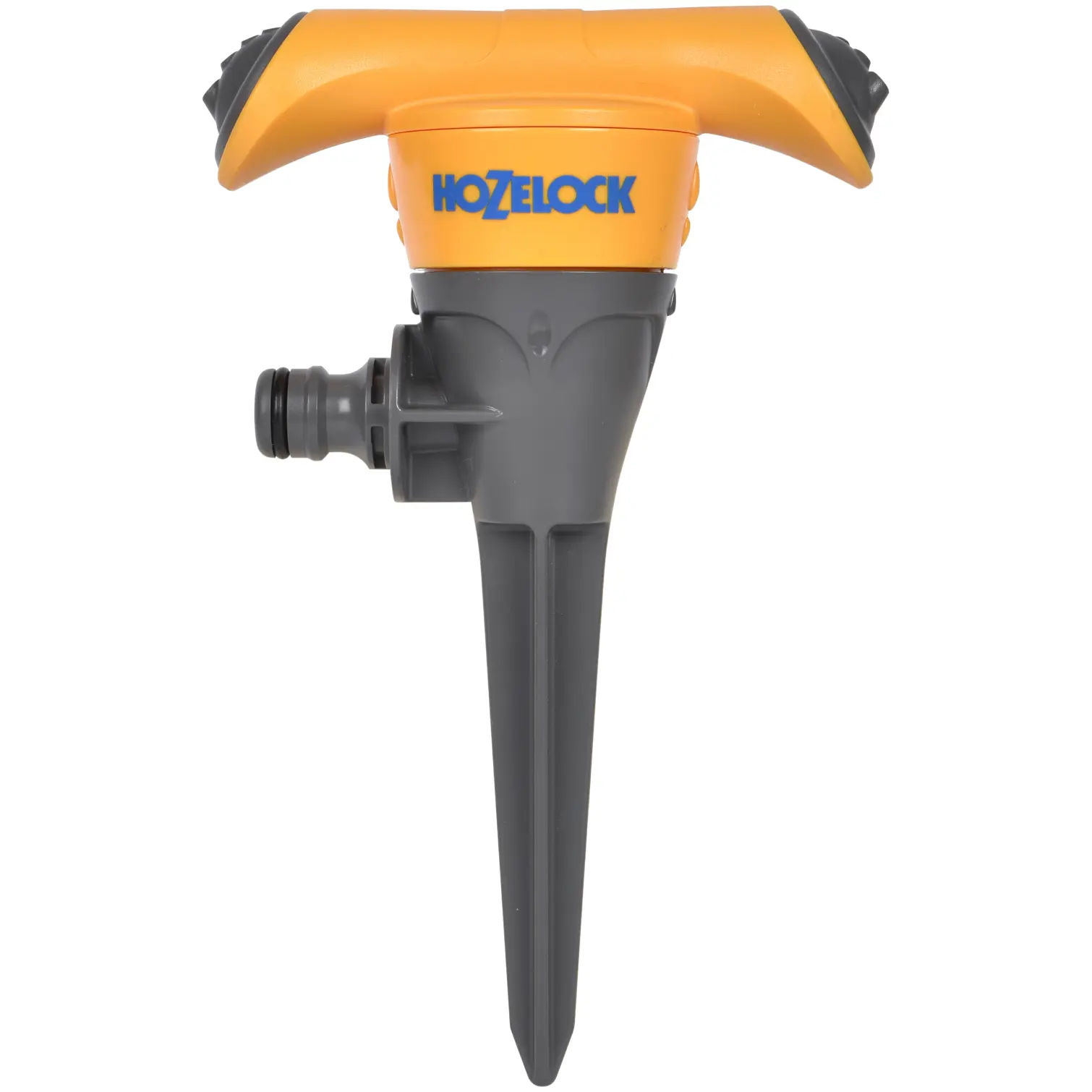
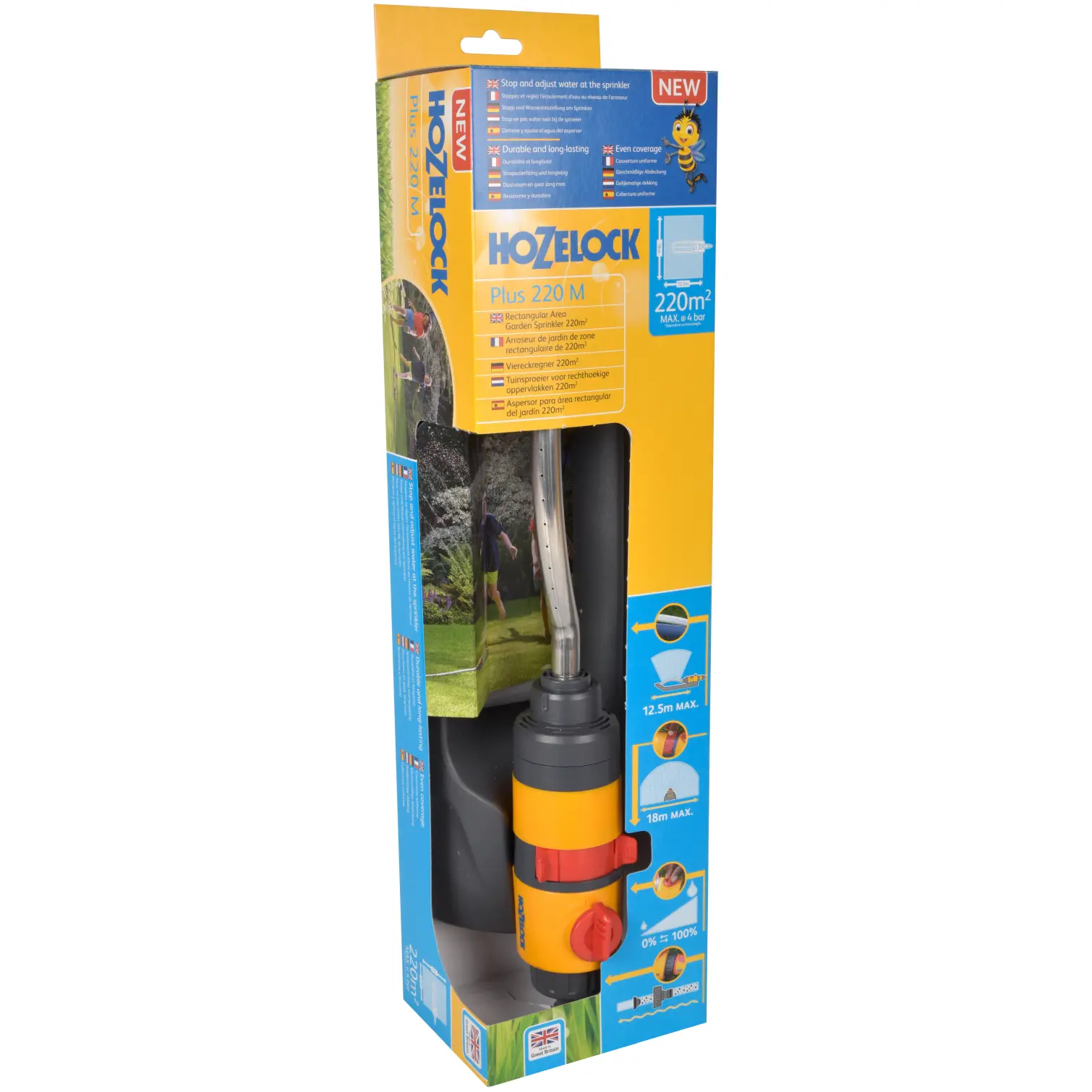
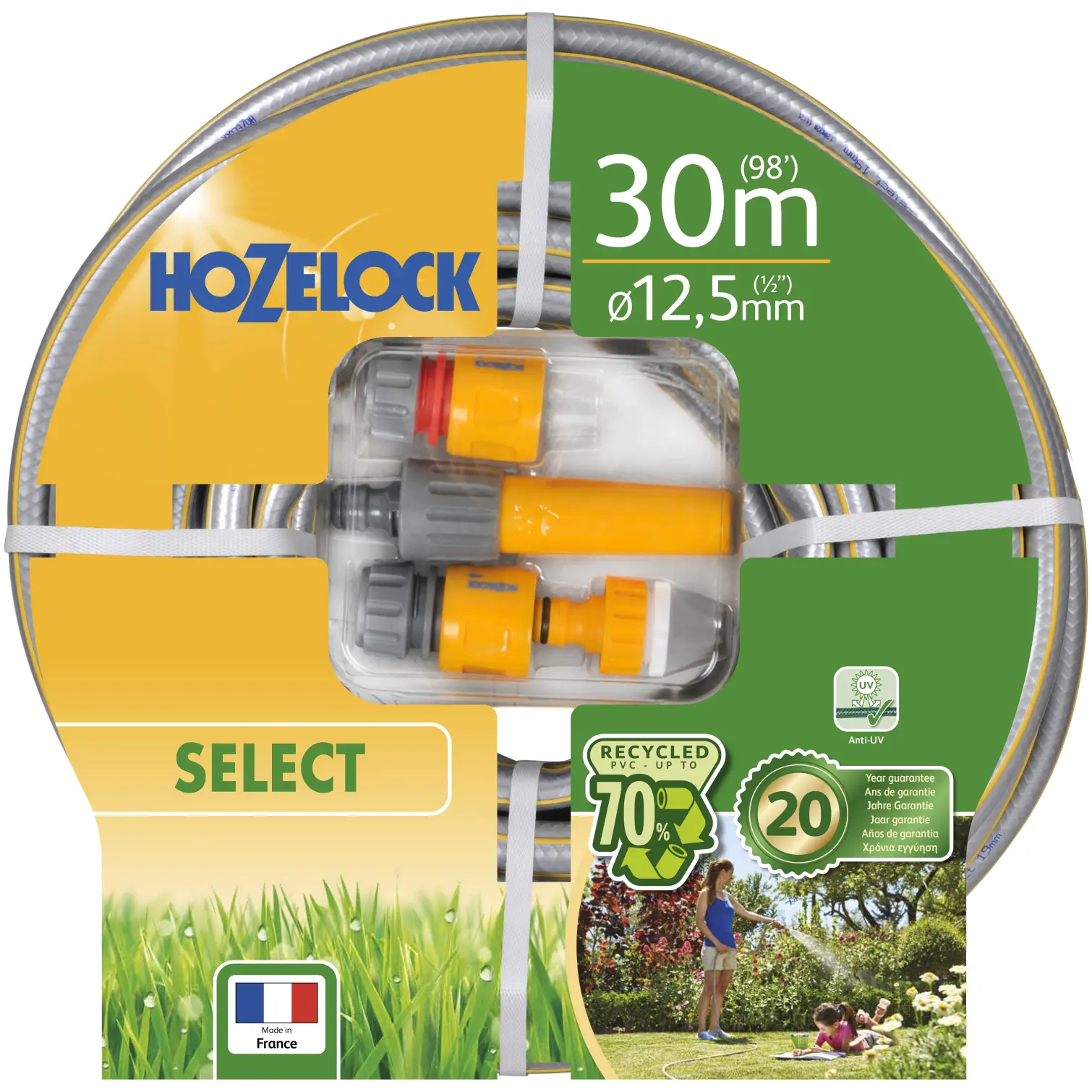
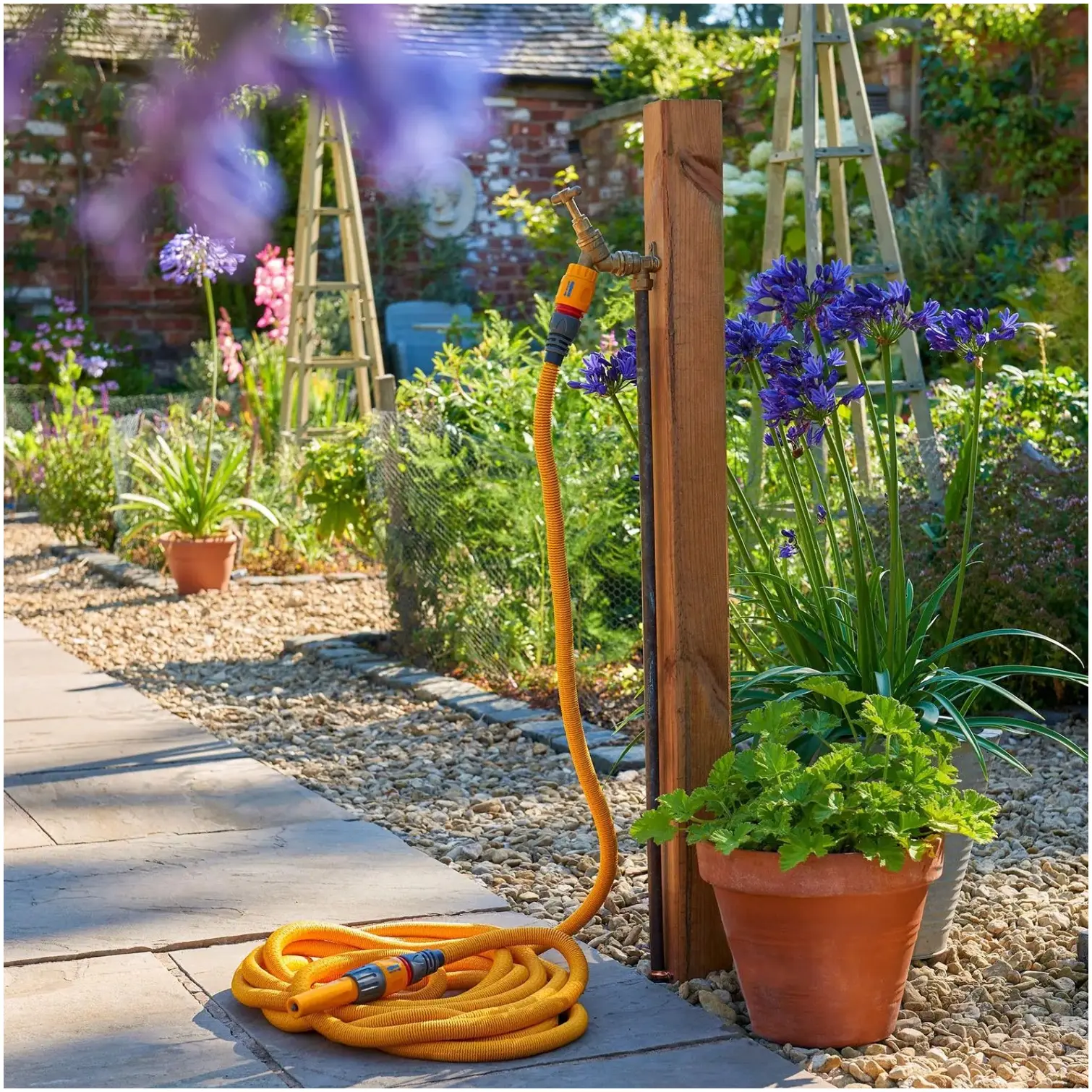
- Water early morning — less evaporation, foliage dries before nightfall
- Water deeply two to three times per week rather than a light daily sprinkle
- Deep watering encourages roots to grow downward, making the lawn more drought-resilient
- Avoid watering at midday — most evaporates before reaching the roots
What to Do During a Hosepipe Ban
UK hosepipe bans restrict the use of a hosepipe connected directly to the mains supply — they do not ban watering your garden entirely. You still have options:
- Watering can: time-consuming but fully permitted. Prioritise newly seeded patches over established grass, which can recover from dormancy on its own once water becomes available.
- Water butt: collected rainwater can always be used for garden watering, regardless of any ban. A water butt connected to a downpipe is the most practical long-term solution for UK gardens.
- Grey water: water from washing-up bowls, baths, or washing machines (without bleach) is permitted. Avoid using water that contains strong detergents or disinfectants directly on grass.
- Let it go dormant: established lawns in good health will survive 4–6 weeks of dormancy and recover naturally when rain returns. If a ban is in force, it may be the lowest-stress approach to simply wait it out.
Fix 2: Feed Your Lawn Through Summer
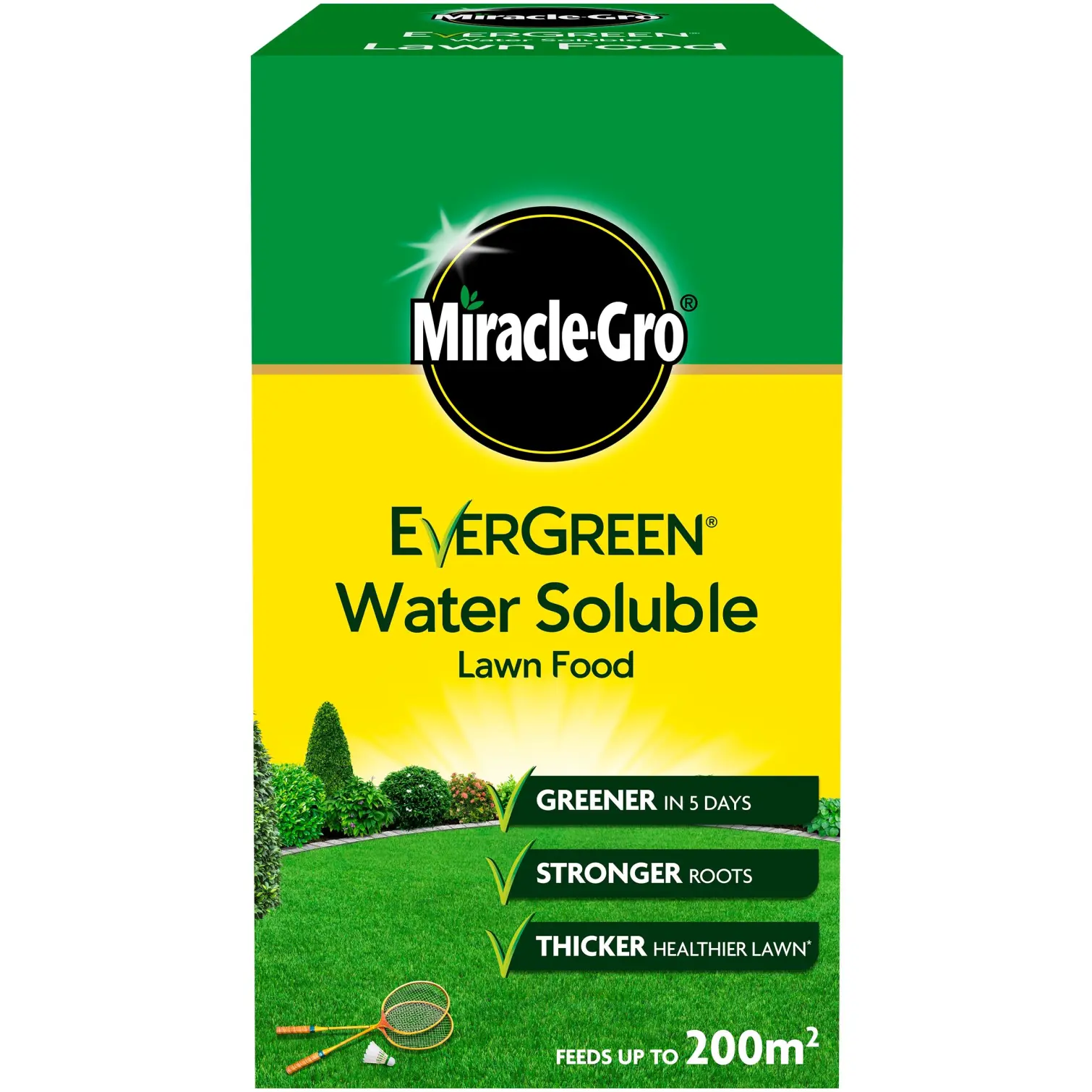
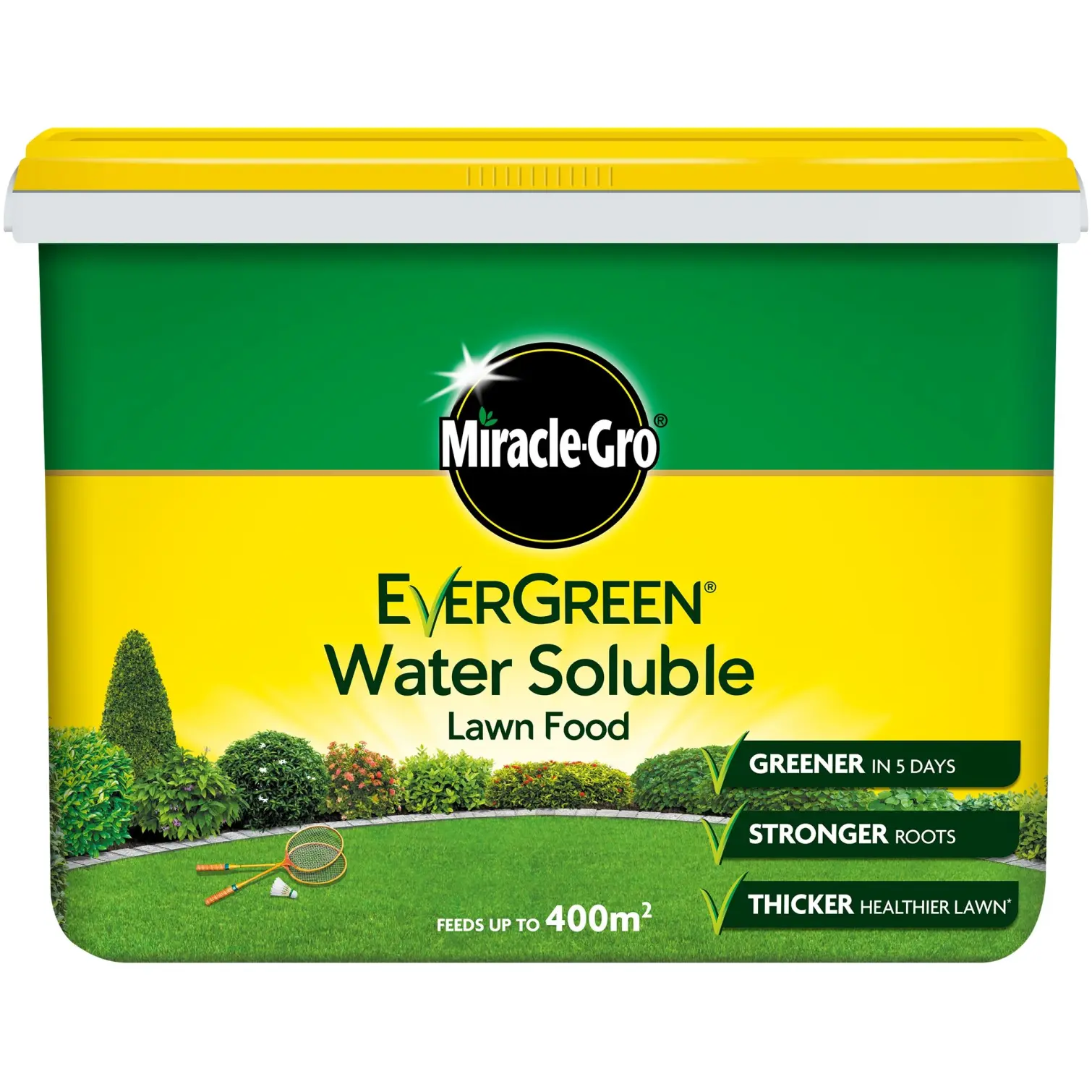
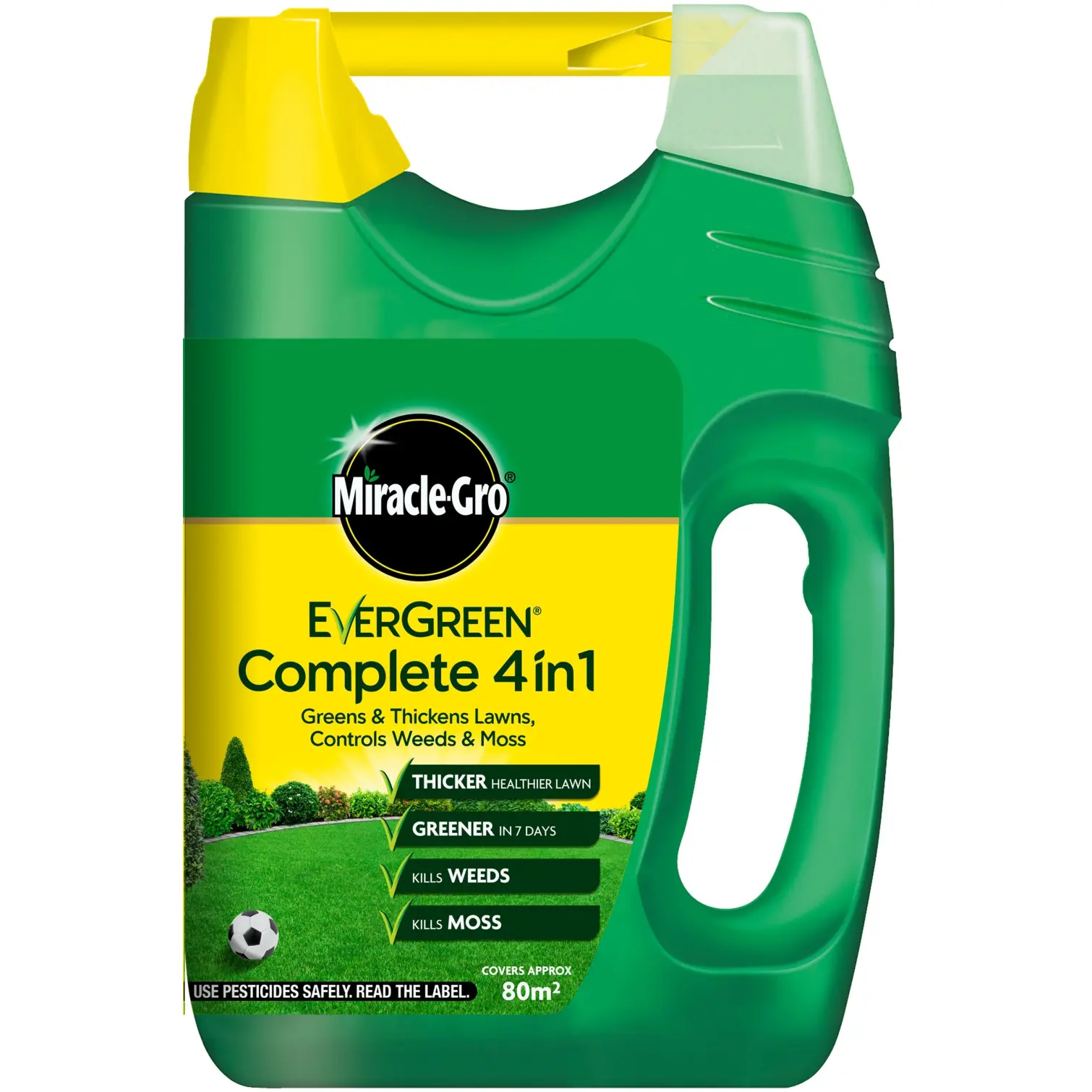
Hungry grass goes yellow faster. A summer lawn feed gives your grass the nitrogen it needs to stay green. Liquid feeds work quickly and are absorbed within days; granular feeds release more slowly and last longer, making them more economical for larger lawns.
For summer use, look for a feed with a higher nitrogen (N) content — nitrogen is what drives the green colour and blade growth. Products labelled “summer feed” or “lawn food” (as opposed to autumn/winter feeds, which are higher in phosphorus and potassium) are the right choice between May and August.

Fix 3: Repair Brown and Bare Patches
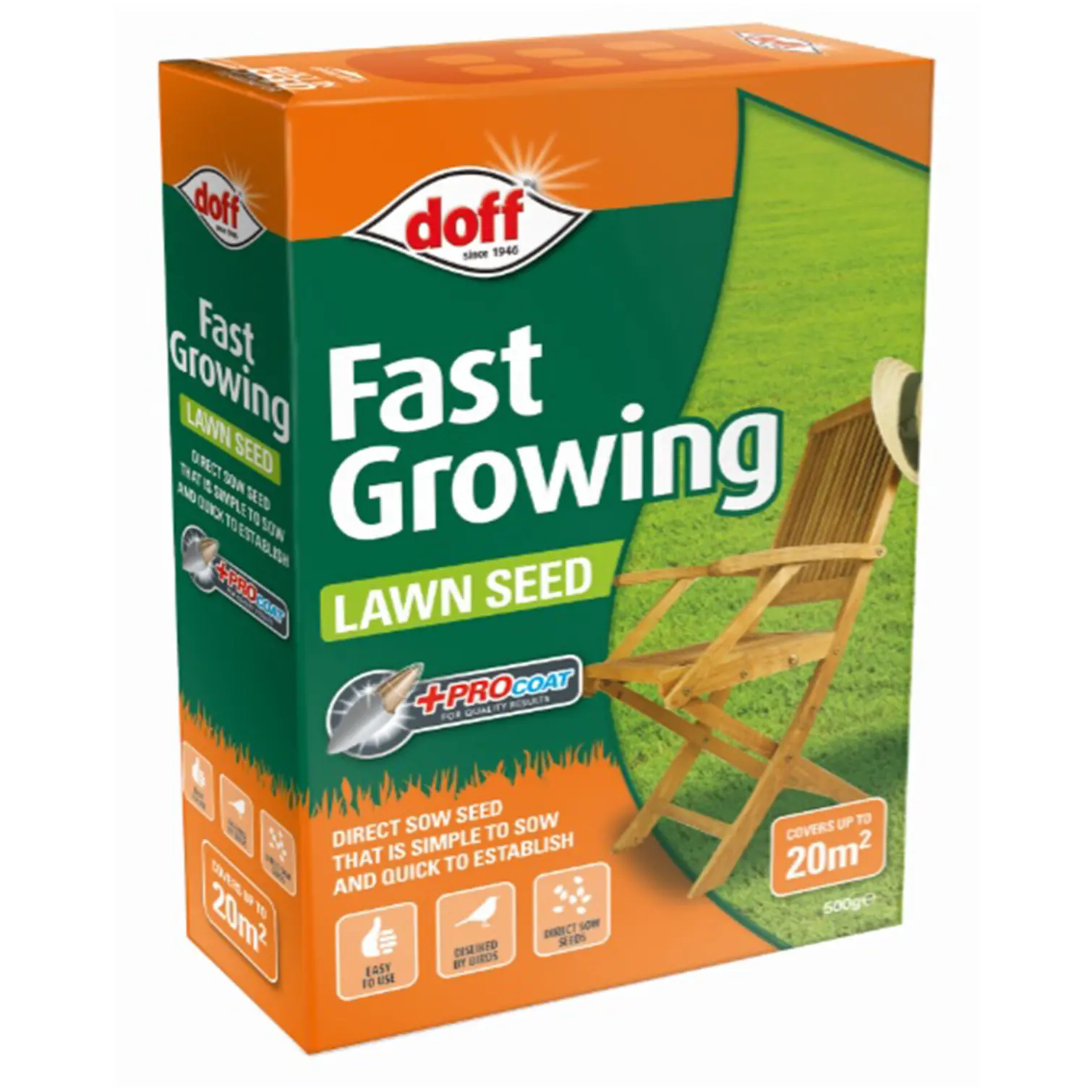
Once rain or watering resumes, overseed bare patches with grass seed to fill them back in quickly. Before sowing, prepare the patch properly: loosen the surface with a hand rake or fork, remove any dead debris, and water the area thoroughly. Seeds need good soil contact and consistent moisture to germinate.
Choose the right seed type for your lawn:
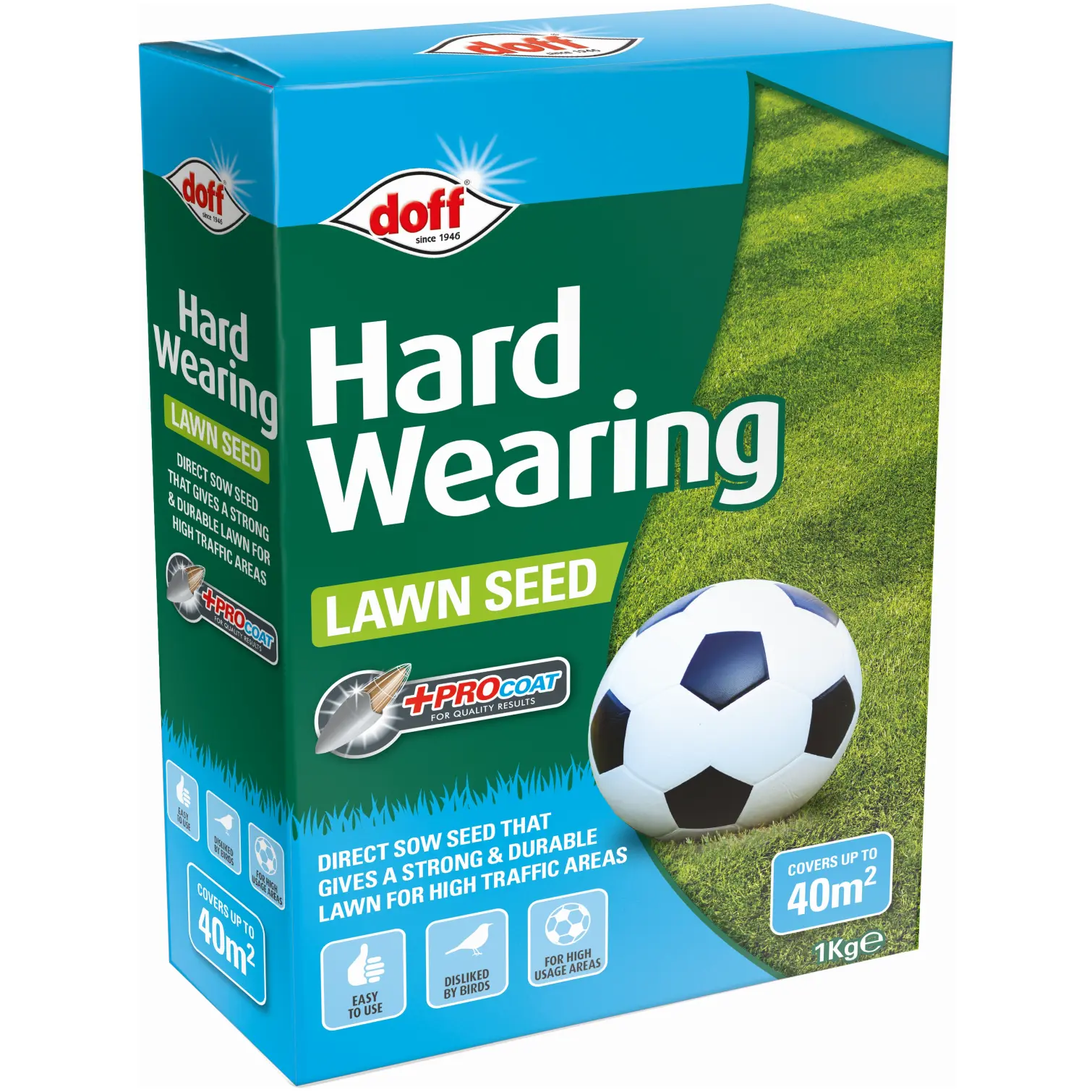
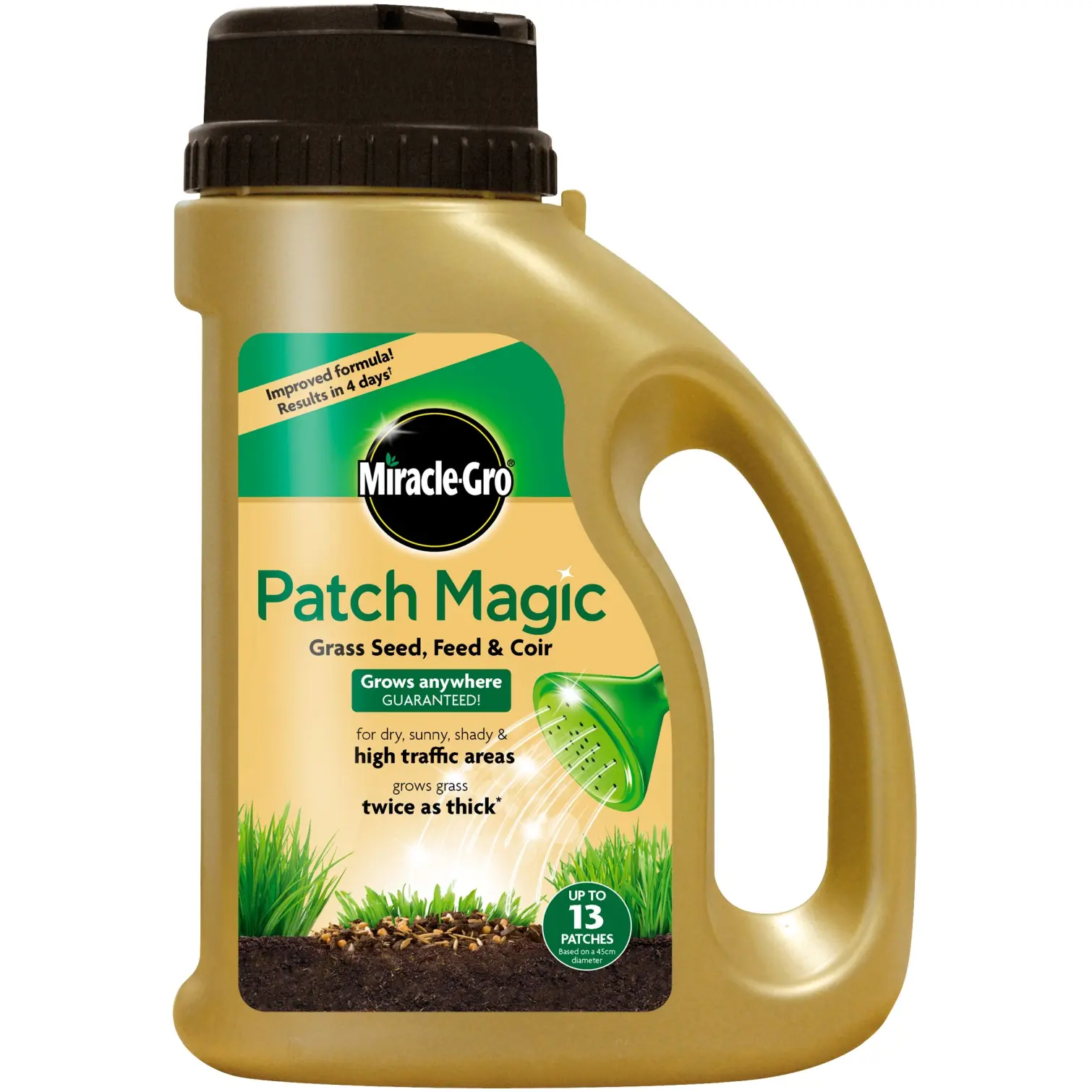
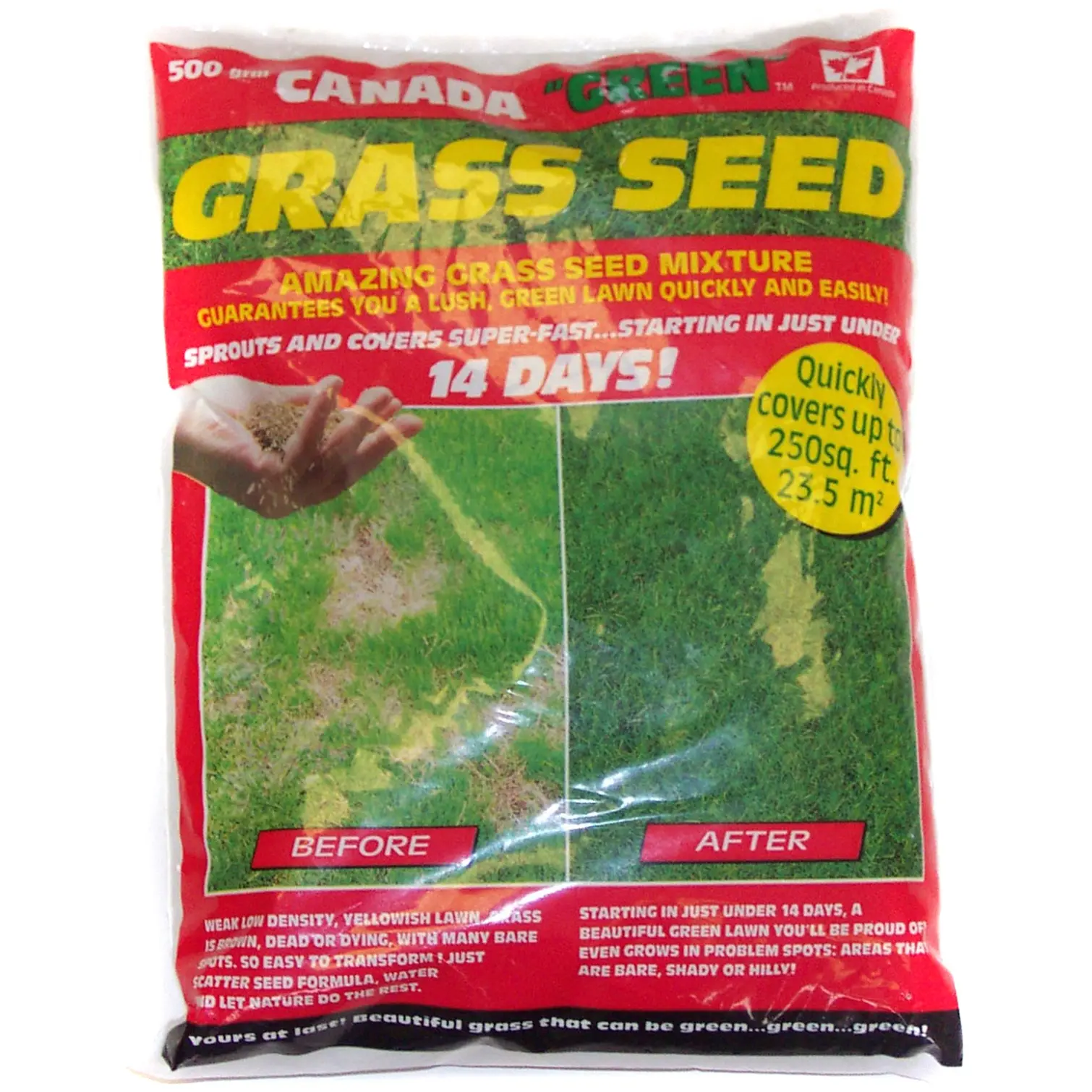
- Scratch the surface before sowing — seeds need contact with soil
- Patch Magic combines seed, feed, and coir — retains moisture around the seed for faster germination
- Doff Hard Wearing is the right choice for lawns that take heavy foot traffic
- Keep patched areas moist for at least two weeks while seeds germinate
Fix 4: Aerate to Let Water In
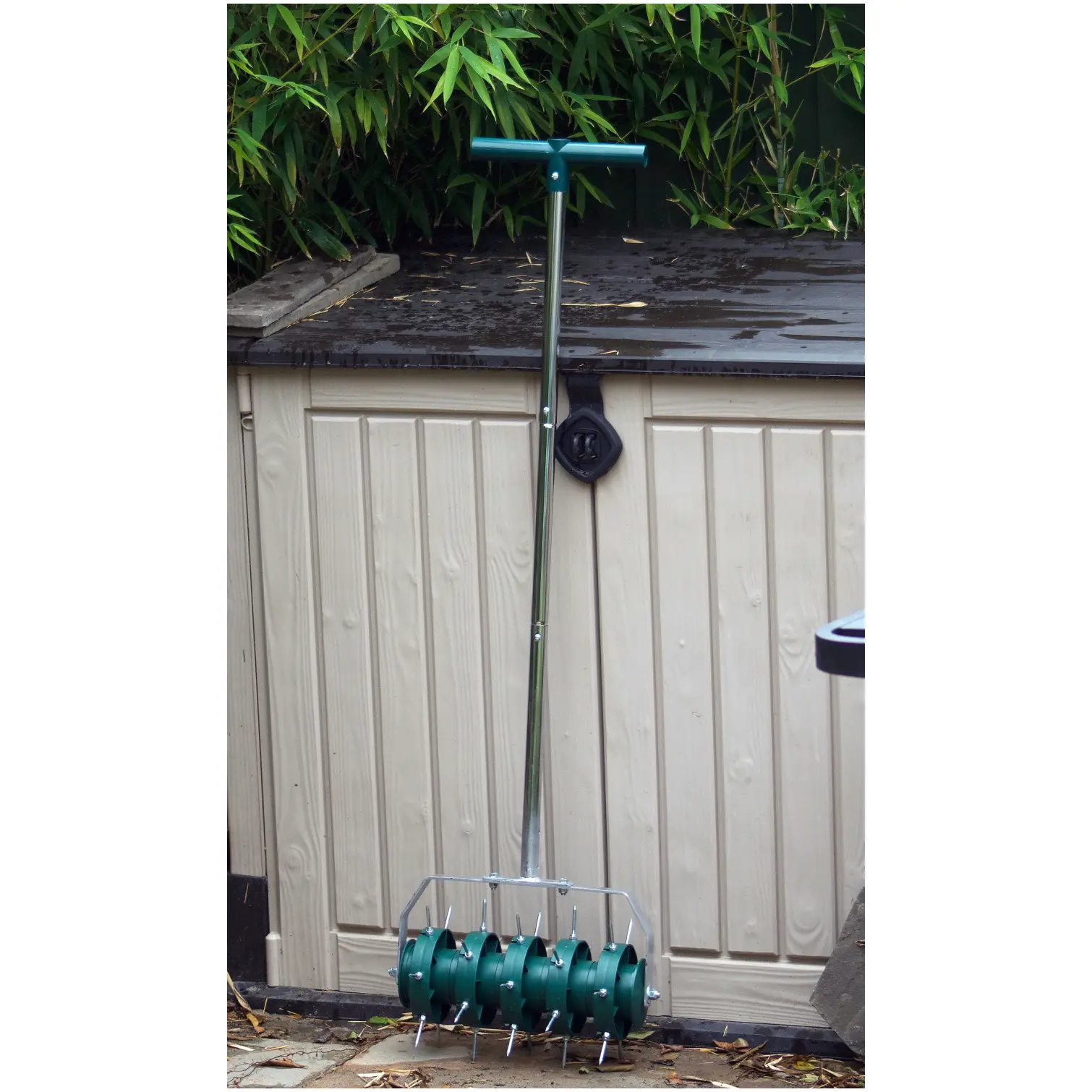
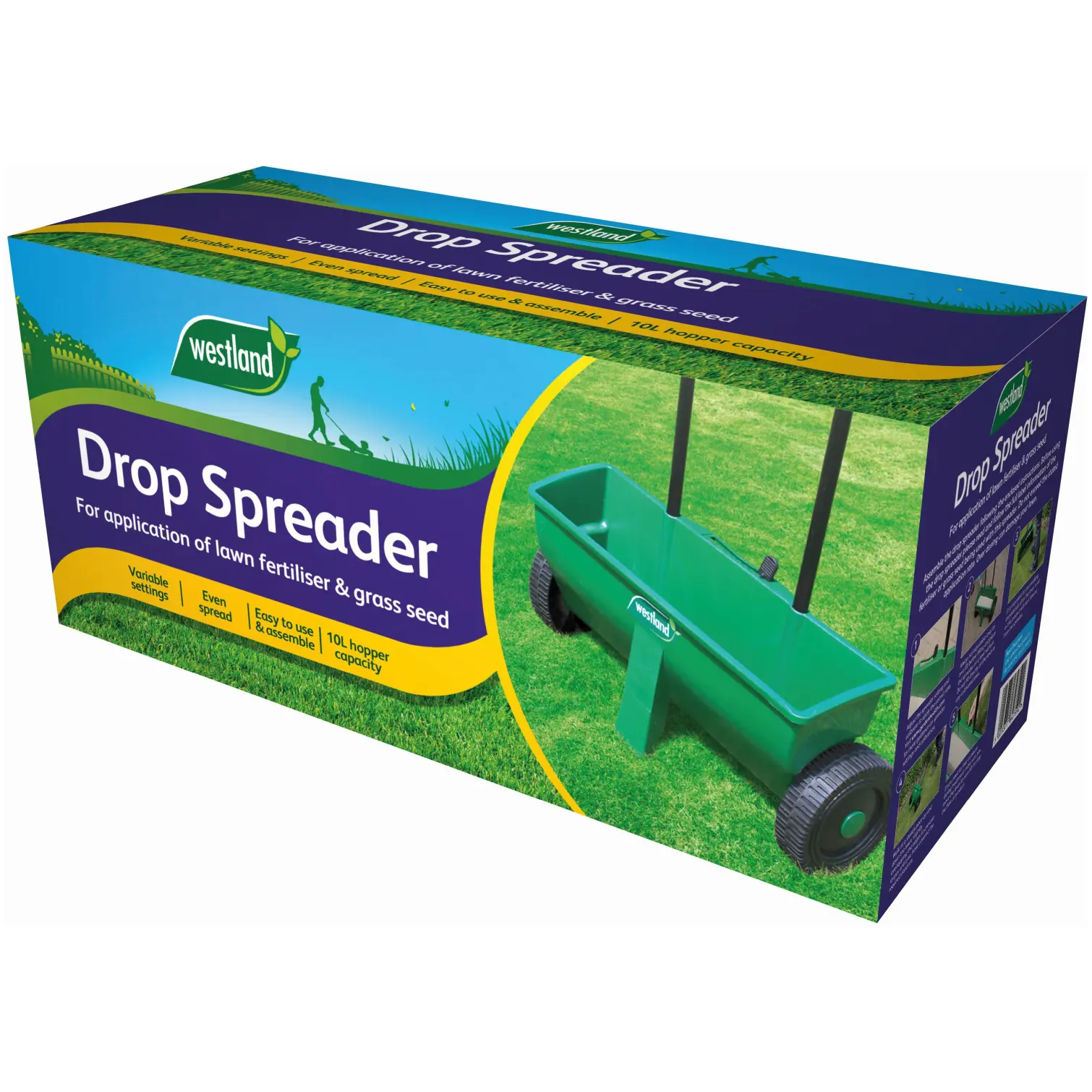
If your lawn sheds water rather than absorbing it, compaction is likely the problem. Compaction builds up over time from foot traffic, garden furniture, and dry weather baking the soil solid. Aerating creates channels in the soil that allow water, air, and nutrients to reach the root zone directly rather than pooling on the surface. Browse our aerators and spreaders.
For a standard garden lawn, hollow-tine aeration (which removes plugs of soil) gives the deepest penetration and is worth doing once a year. Spike aeration — pushing solid tines into the ground — is quicker and more practical to do regularly through the summer when the soil is hard.
Fix 5: Remove Thatch to Help Water Penetrate
Thatch is the layer of dead grass stems, roots, and organic matter that builds up between the soil surface and the green blades above. A light layer (under 1cm) is beneficial — it insulates the soil and retains some moisture. A thick thatch layer acts as a barrier, preventing water and feed from reaching the roots and encouraging moss to take hold.
If your lawn feels spongy underfoot even when dry, or if water pools on the surface despite not being obviously compacted, heavy thatch is likely the cause. Scarifying — raking or mechanically removing the thatch layer — is best done in spring or early autumn rather than mid-summer, but a light hand-raking can help water penetrate during a hot spell. For a deeper dethatch, autumn is the right time after the summer stress has passed.
Mowing in Hot Weather: Raise the Blade
Cutting too short is one of the most common summer lawn mistakes. Longer grass shades the soil, reducing moisture loss and keeping roots cooler. During a heatwave, raise your lawnmower cutting height by one or two settings and never remove more than a third of the blade length in a single cut.
- Set your mower to its highest or second-highest cut during dry spells
- Leave grass clippings on the lawn — they act as a light mulch, retaining moisture and returning nitrogen to the soil
- Avoid mowing when the lawn is already very dry and stressed — wait until after watering or rainfall
- Mow in the evening rather than midday to minimise additional stress on the grass blades
Recovering a Lawn After a Heatwave
Once the heat breaks and rain or cooler temperatures return, your lawn will recover faster with a little help. Follow this sequence for the best results:
- Start watering immediately. Do not wait for heavy rainfall — begin a deep watering schedule as soon as temperatures drop. This kick-starts the recovery process and rehydrates the soil before you do anything else.
- Wait before mowing. Let the grass grow back to at least 5–6cm before the first post-heatwave cut. Mowing stressed, recovering grass too soon sets it back further.
- Aerate once the soil softens. If the ground was baked solid during the heatwave, aerating once it has rehydrated opens it up for the feed and seed applications to follow.
- Overseed bare patches. Late summer and early autumn are ideal times for overseeding — soil temperatures are still warm enough for germination and there is usually more reliable rainfall. Use a fast-germinating seed mix or Patch Magic for quick coverage.
- Apply an autumn lawn feed. Once night temperatures start to drop in September, switch from a high-nitrogen summer feed to an autumn/winter product that strengthens roots ahead of the colder months.
Summer Lawn Care: Action Checklist
- Set up a sprinkler and water deeply two to three times per week — early morning is best.
- Apply a summer lawn feed after watering, every 6–8 weeks through the season.
- Aerate compacted areas to ensure water and feed reach the roots.
- Overseed bare patches as soon as moisture returns — use a fast-germinating seed for quick cover.
- Raise your mowing height and avoid cutting stressed grass during peak heat.
- Lightly scarify any areas where water is not penetrating to break up surface thatch.
Frequently Asked Questions
How often should I water my lawn in hot weather?
Water deeply two to three times per week rather than a light daily sprinkle. Aim for around 20mm per session (roughly 20 litres per square metre). Water early morning to reduce evaporation and the risk of overnight fungal disease.
Will yellow grass recover after a heatwave?
Yes — yellow grass is almost always dormant, not dead. Most UK lawns green up within one to two weeks once regular watering or rainfall resumes. Use the tug test to confirm: if roots hold, the grass is dormant and will recover.
Should I feed my lawn during a heatwave?
No. Feeding dry, stressed grass risks scorching it. Wait until after a thorough watering session or before forecast rain, then apply a high-nitrogen summer lawn feed. Repeat every 6–8 weeks through the growing season.
What can I do about my lawn during a hosepipe ban?
Hosepipe bans restrict mains-connected hoses, not watering itself. Use a watering can, collect rainwater in a water butt, or repurpose grey water from washing-up or baths. Prioritise newly seeded patches; established grass can survive several weeks of dormancy.
What height should I cut my lawn in summer?
Raise your mower to its highest or second-highest setting during dry spells. Longer grass shades the soil and reduces moisture loss. Never remove more than one-third of the blade length in a single cut.
Related Reading
Shop All Lawn Summer Products
Sprinklers · Hoses & Watering · Lawn Feed · Grass Seed · Aerators & Spreaders · Lawnmowers